Strait of Hormuz Escalation – Market Dislocation Risk Rising
The situation in the Strait of Hormuz is deteriorating rapidly:
A commercial vessel off the coast of Oman has reportedly been attacked. Nearly 250 ships have dropped anchor across the Gulf and coasts of Oman/UAE. War-risk insurers have issued cancellation notices for policies covering transits through Hormuz. Maersk has suspended shipments via the Strait.
Brent crude is trading ~10% higher in OTC markets. Regional leaders have warned the U.S. that $100/barrel oil is a “clear and present danger.” Insurance premia are spiking sharply — effectively tightening supply even before any formal blockade.
Why This Matters
The Strait of Hormuz handles ~20% of global oil flows. Even partial disruption:
Triggers precautionary inventory hoarding
Raises freight + insurance costs
Forces rerouting (capacity constraint issue)
Compresses spare production buffers
Markets are now pricing logistical risk, not just geopolitical headlines.
Macro Implications
Crude Volatility: Expect elevated IV across front-month contracts.
Backwardation Risk: Near-term contracts likely to spike harder than deferred.
Inflation Repricing: Oil > $100 revives global CPI risk narrative.
Dollar Dynamics: Energy shock typically strengthens USD initially via risk-off flows.
India Sensitivity: As a major importer, higher landed crude cost impacts CAD + inflation trajectory.
Strategic Take
This is no longer a headline-driven spike.
It is becoming a trade flow + insurance shock.
The real question is not whether oil spikes, It is whether shipping paralysis sustains long enough to turn a spike into a regime shift.
Watch:
War-risk insurance rates (real stress indicator)
VLCC movement data
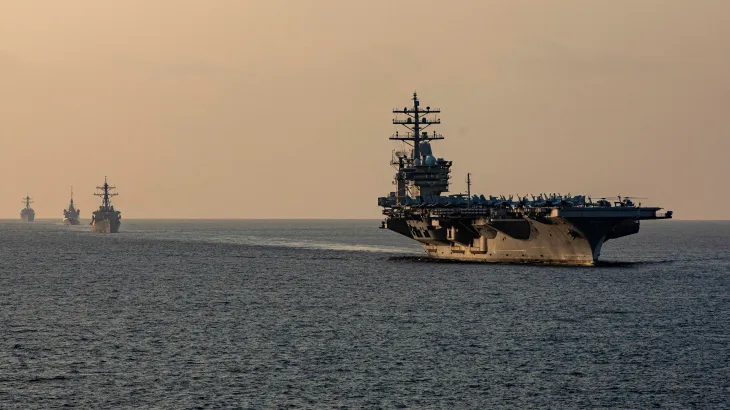
U.S. naval posture
Saudi/UAE spare capacity signals
If transit remains frozen for >7–10 days, $100 becomes base case, not tail risk.
