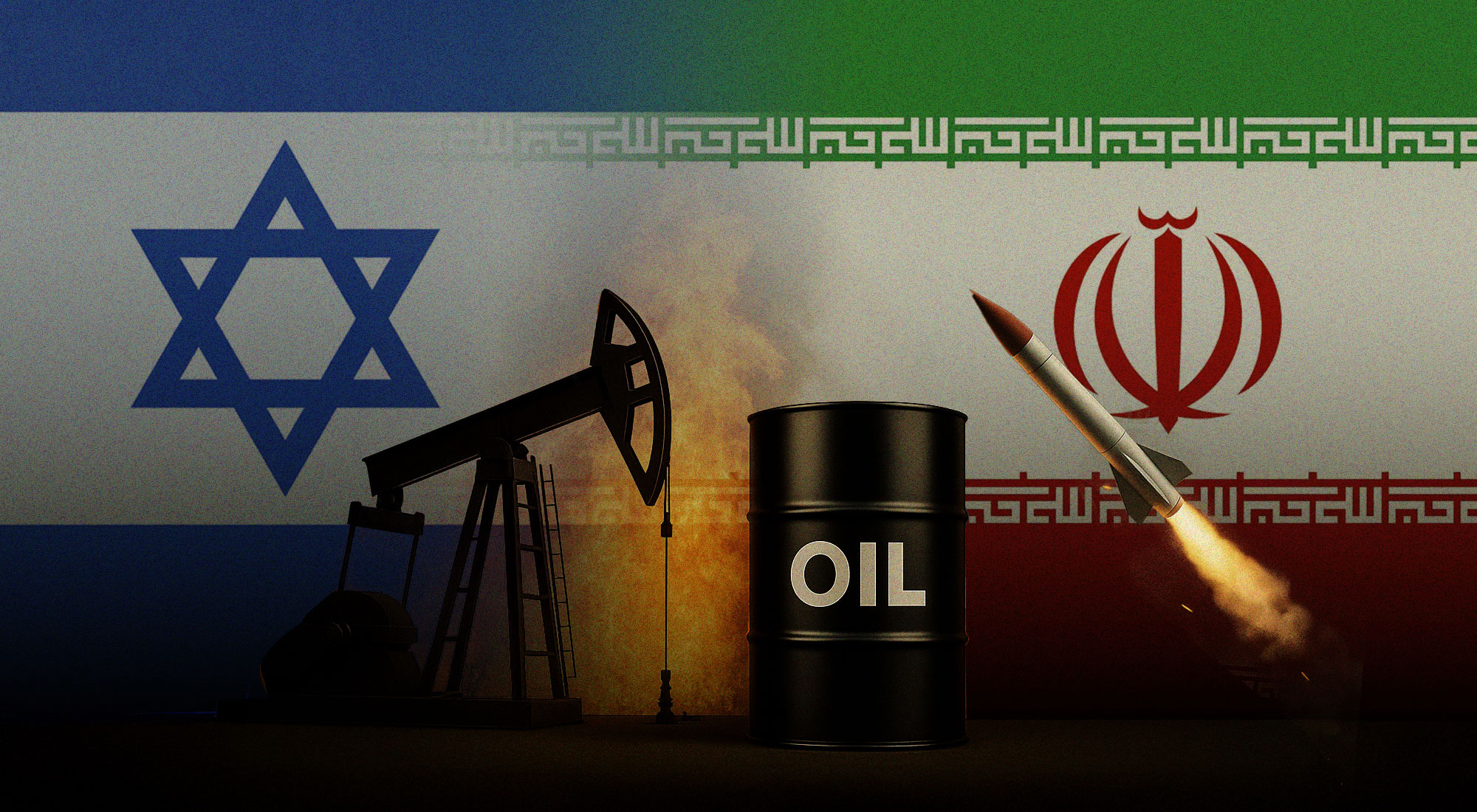
Iran–US–Israel Conflict Escalates: Tehran Sets Terms, Washington Issues Stark Warning
Tensions across West Asia have intensified materially, with the Iran–US–Israel conflict entering a more dangerous and potentially systemic phase.
🇮🇷 Iran’s Conditions for De-escalation
Tehran has outlined six key conditions to halt hostilities:
Guarantees against future military aggression
Closure of US military bases across West Asia
Financial reparations from Washington and Tel Aviv
Cessation of military actions against pro-Iranian groups
Establishment of a new legal framework governing the Strait of Hormuz
Handover of what it termed “hostile media elements”
⚠️ Critical escalation signal:
Iran has explicitly warned that any attack on its fuel infrastructure will trigger retaliation targeting US and regional energy infrastructure, raising the risk of a full-spectrum energy war.
🇺🇸 US Response: Hardline Stance
US President Donald Trump has rejected negotiations outright, warning that Washington would “obliterate” Iranian power plants if Tehran does not reopen the Strait of Hormuz within 48 hours.
This marks a clear shift toward a coercive, time-bound escalation framework.
🚀 On-Ground Developments
Iranian missile strikes have reportedly injured over 100 people in southern Israel
Targets included areas near the sensitive Dimona nuclear facility
Iranian officials have described this as the beginning of a “new phase” in the conflict
⚓️ Military Build-up Intensifies
The nuclear-powered Royal Navy submarine HMS Anson has arrived in the Arabian Sea
The platform carries the capability to launch precision strikes on Iran if escalation continues
This signals NATO-aligned deterrence positioning in the region
🛢 Market Implications:
Tail risk in oil markets rising sharply – Hormuz disruption probability no longer negligible
Energy infrastructure now a primary target class, not just collateral
Brent risk premium expanding structurally, not episodically
LNG flows (Qatar) and crude flows (Saudi/UAE/Iraq) face non-linear disruption risk
